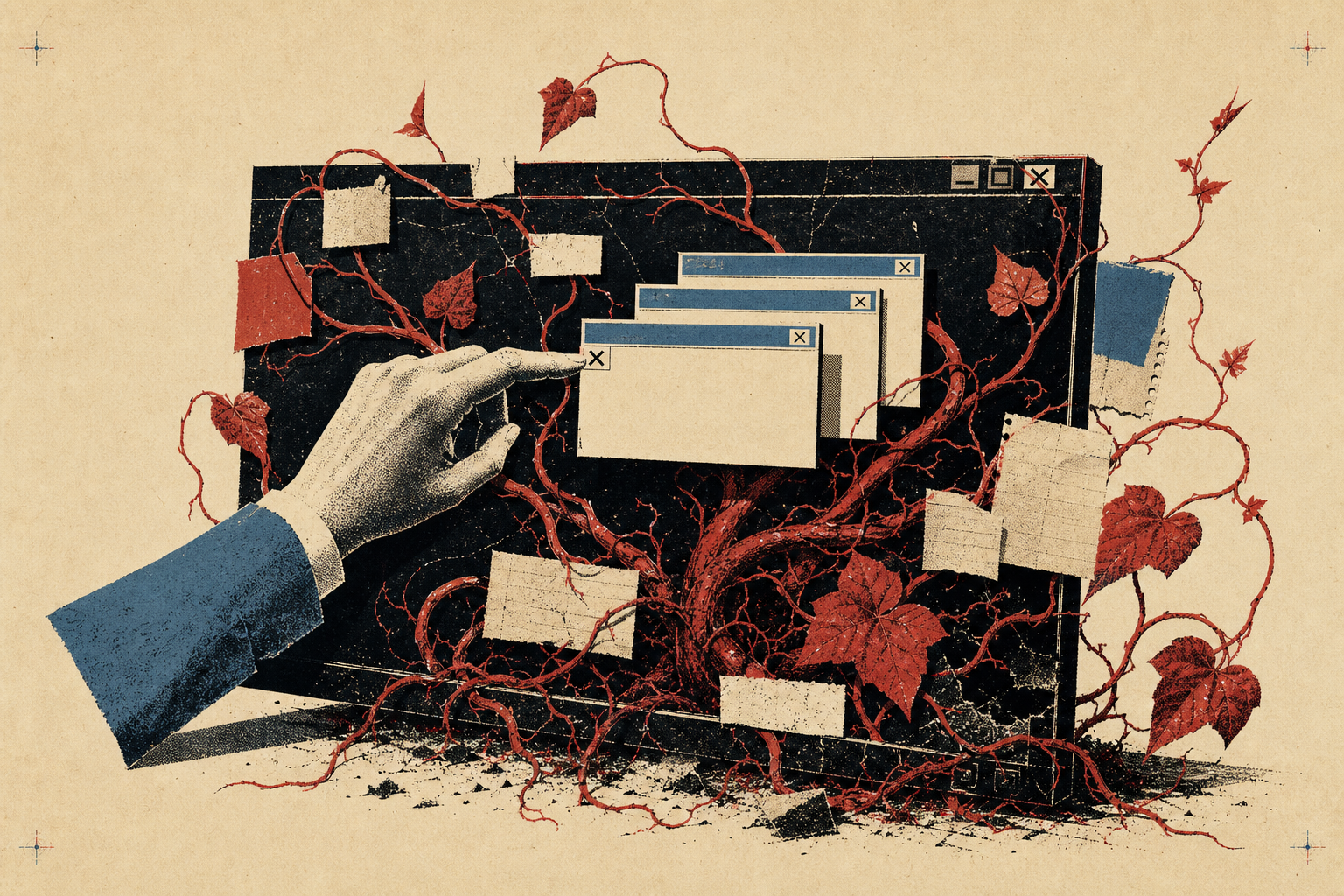
The first AI bill is a subscription. The second is the cost of discovering that your workflow now belongs to a vendor.
The Register reported in April 2026 that AI vendors were pushing toward higher prices and stronger lock-in, including Anthropic moving its Claude enterprise offering from fixed pricing toward dynamic usage-based billing. The details will vary by vendor, but the direction is familiar: the more deeply a business integrates a model, the harder it becomes to compare alternatives.
Usage pricing can be fairer than a flat plan when workloads vary. It can also turn a predictable software budget into a metered dependency, especially when the vendor controls the model, the tools, the context window and the billing dashboard.
Switching costs are the product
A model is not just an API endpoint. It is prompts, evaluation data, tool calls, retrieval formats, safety rules and staff habits. A new vendor may be cheaper per token and still cost more to adopt because the surrounding system has learned one provider’s quirks.
That is lock-in without a locked file format. The dependency sits in the workflow and appears only when finance asks for a second quote.
The exit plan belongs in procurement
Teams buying AI should require exportable prompts, portable evaluation sets, documented rate limits and a tested fallback model. They should know which features are proprietary and which are replaceable before an enterprise discount becomes a critical dependency.
A model can be excellent and still be a bad platform if the customer cannot leave with their work intact.
Sources & further reading
Sources establish the reported facts above. Analysis and conclusions are enshit.club’s own.