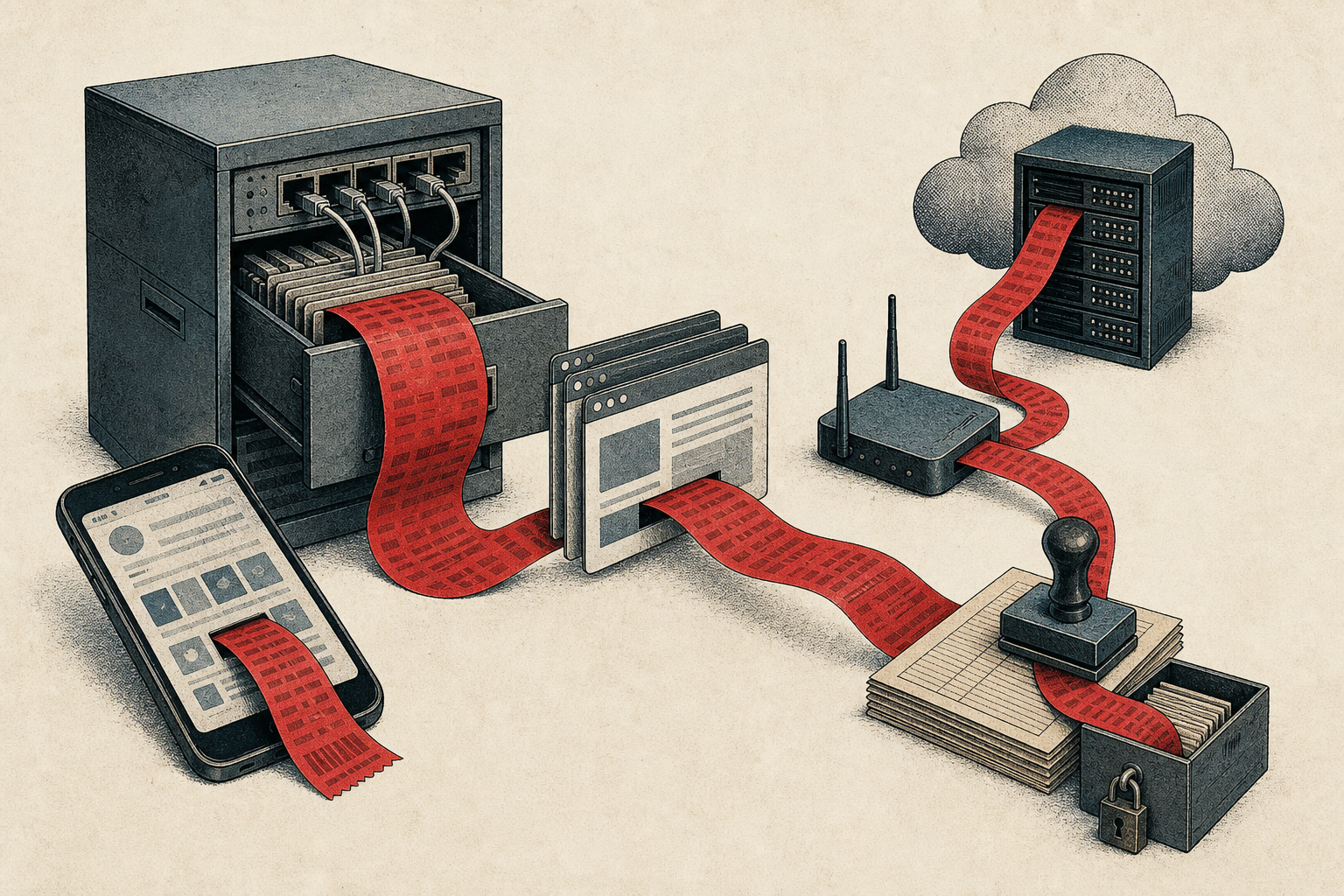
Connected hardware can turn a durable object into an account, advertising and data-collection relationship. A recent FTC order involving GM and OnStar shows why the physical product is no longer the whole product.
The cheap, ad-free all-in-one pitch gave way to fragmented libraries, price rises, advertising tiers and accounts that provide access rather than ownership.
Dating services sell hope, attention and subscriptions at the same time. The product test is whether the bill, cancellation route and claims about connection remain honest when the user is vulnerable to urgency.
Social platforms began with people choosing who to follow. The mature model increasingly routes attention through recommendation systems, advertising inventory and platform-controlled distribution.
Search began as a concise route to other sites. Its current incentives include advertising, proprietary answer surfaces and AI features that can reduce the reason to continue to the source.
The FTC’s antitrust case alleges that Amazon’s growing seller, fulfilment and advertising fees turned paid placement into a practical cost of reaching shoppers. The case remains unresolved.
Google’s developer-verification system changes how apps from outside the Play Store install on certified Android devices. The first enforcement phase begins in selected countries in September 2026, with a wider rollout planned for 2027.
The European Commission has designated ChatGPT, Reddit and Roblox as very large services under the Digital Services Act, bringing new risk, transparency and user-choice obligations.
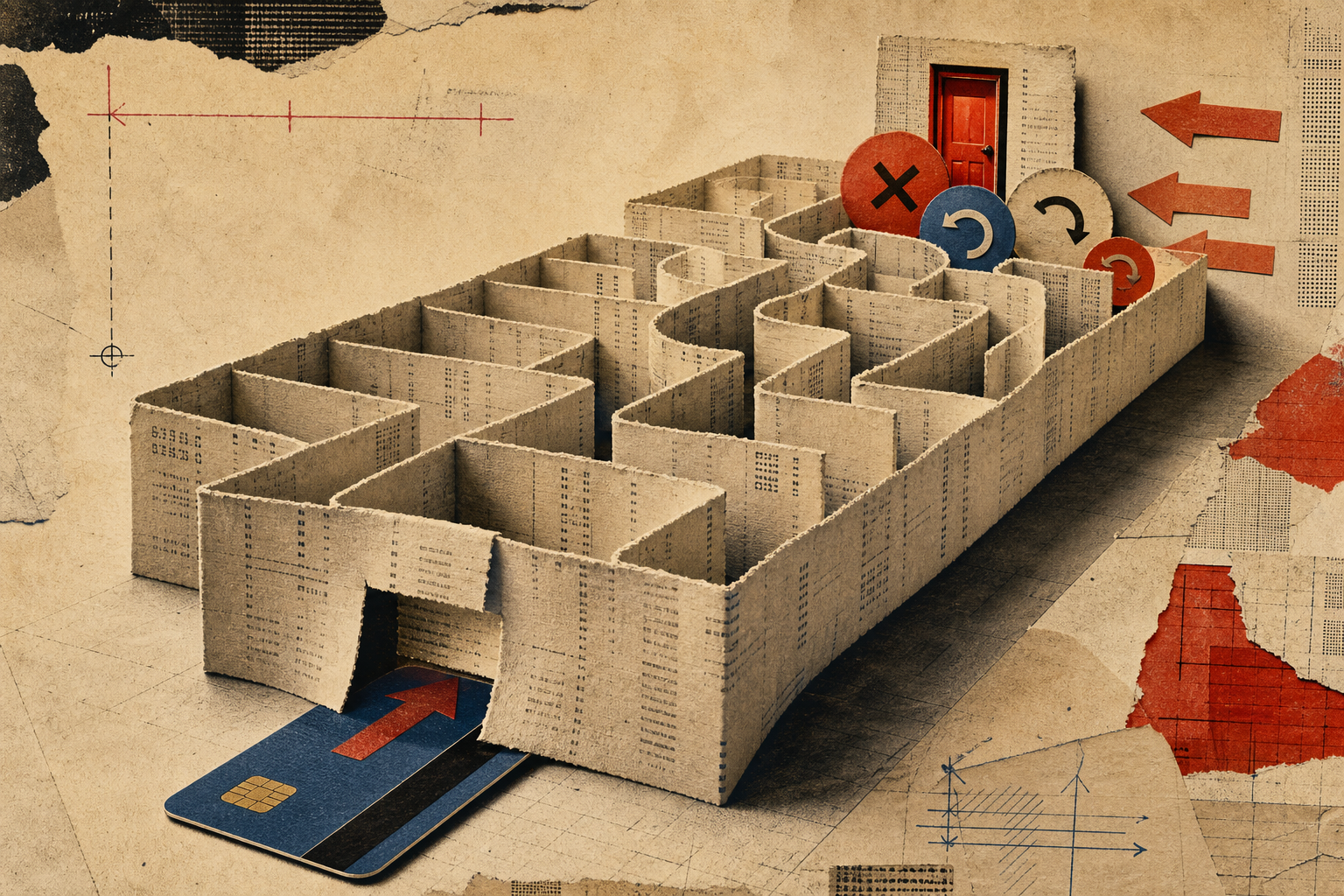
Australia’s Federal Court found eHarmony misled consumers about subscription prices, duration, cancellation and renewals that could cost far more than the first term.
The UK competition regulator is investigating Trainline, Virgin Atlantic and RED Driving School over whether mandatory fees appeared too late for customers to compare the real cost.
Australia’s Privacy Commissioner says smart glasses and other surveillance wearables raise hard questions about notice, consent and what happens when bystander data reaches a technology company.
The UK competition regulator is investigating whether Microsoft 365 customers received clear information about cheaper Classic plans before Copilot subscriptions renewed at higher prices.
The European Commission fined AliExpress €550 million after finding that it failed to assess and reduce systemic risks from illegal, unsafe and counterfeit products.
Microsoft documents that Windows collects required diagnostic data and that, when personalised offers are enabled, it can use diagnostic data to show tips, ads and recommendations—including suggestions for OneDrive or more storage.
The ACCC’s 2026–27 enforcement priorities explicitly call out subscription traps and other dark patterns in digital markets. Naming the tactic is the beginning, not the remedy.
The decline report
A useful email, occasionally.
New case files, source notes and practical ways to push back. No engagement funnel.