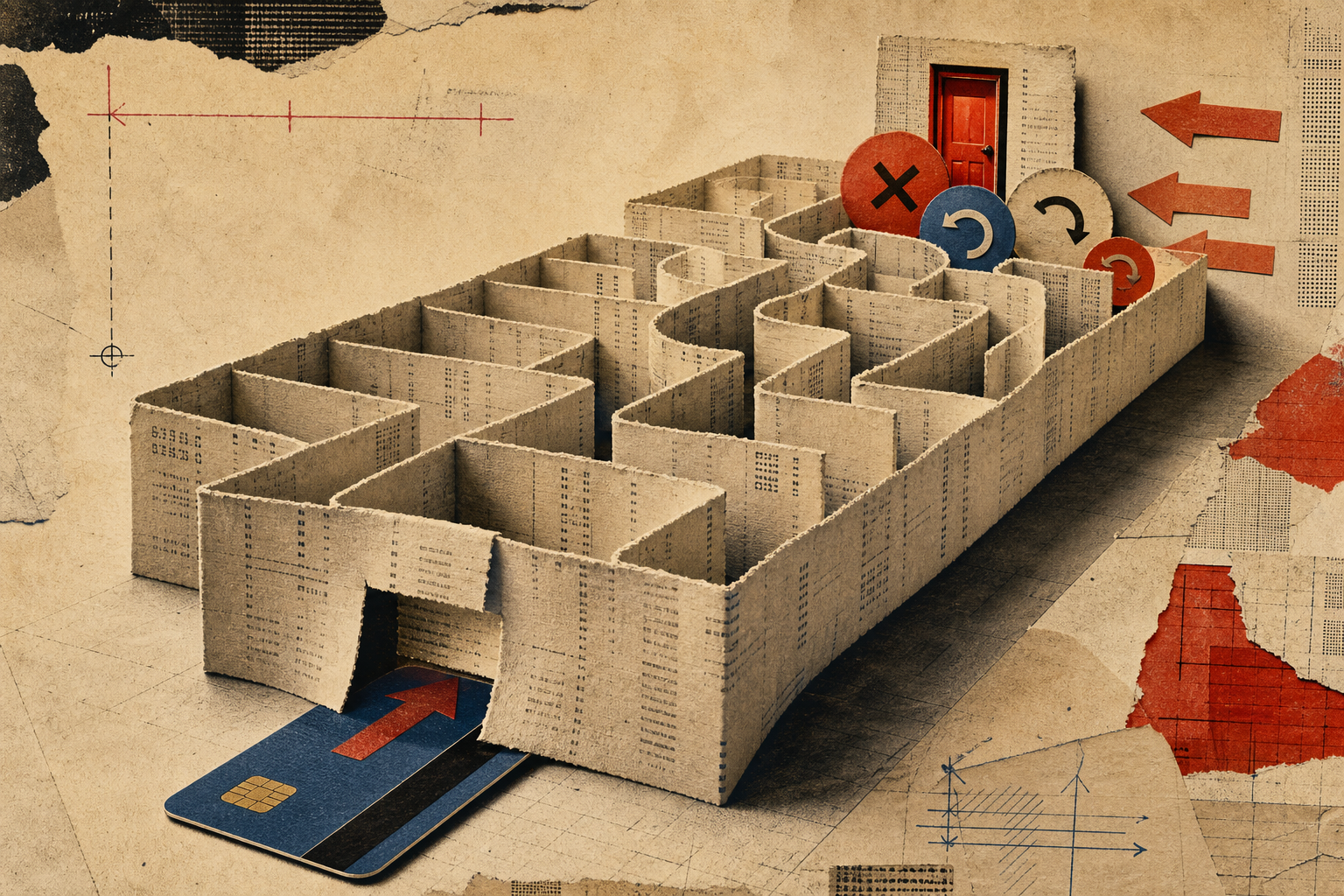
The streaming bundle was sold as simpler than cable. It is now simpler mainly for the spreadsheet: raise the price, add ads, keep the customer moving.
Netflix raised prices across its US plans in March 2026, with increases of up to $2 per month. Ars Technica reported that the company’s previous increase had arrived in January 2025, meaning customers were being asked to absorb another change before the last one had faded from the bill.
The service is not unique. Streaming companies have moved from subscriber growth to revenue per household, using price increases, ad tiers and premium features to extract more from a mature audience.
The downgrade is hidden in the upgrade
An ad-supported tier can be a legitimate lower-cost option. It becomes enshittification when the old experience is steadily repositioned as a luxury: pay more to preserve the baseline, or accept advertising in a service that was originally sold as ad-free.
The customer is not only paying more. They are doing more plan comparison, more account maintenance and more arithmetic across a growing pile of services that each claim to be the one indispensable subscription.
The useful question
The right measure is not whether Netflix can justify a price increase. It is whether the customer can compare the new price with the same service, the same quality and a realistic exit. A price change notice should show what changed, what did not and what the cheapest honest option is.
Otherwise the bundle is no longer simplifying entertainment. It is simplifying the company’s route to a larger recurring charge.
Sources & further reading
- Ars TechnicaNetflix raises prices for every subscription tier↗
- Ars TechnicaStreaming prices climb after surpassing inflation↗
Sources establish the reported facts above. Analysis and conclusions are enshit.club’s own.