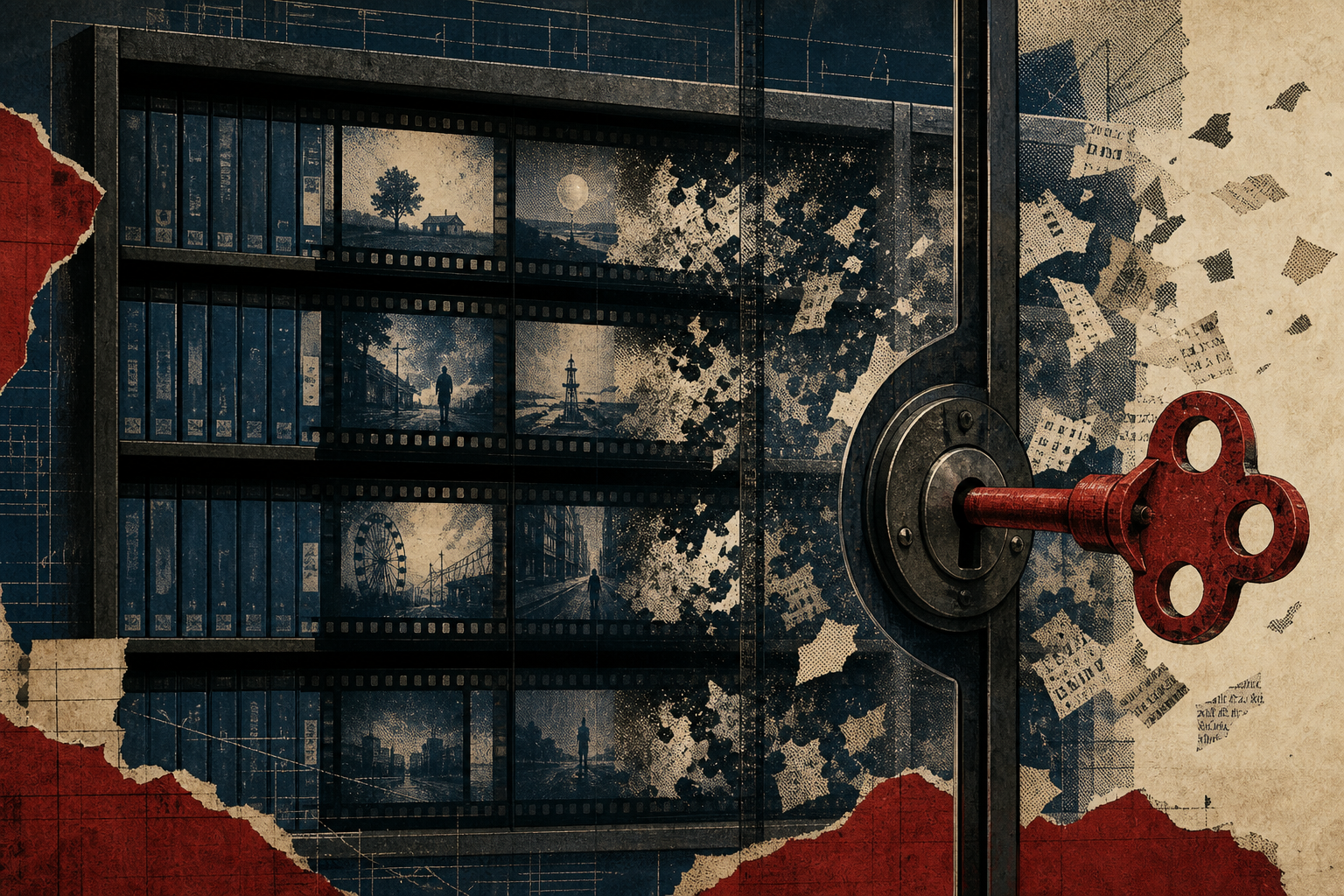
The most honest word in a digital storefront is not buy. It is access—subject to a contract you do not control.
Sony told affected PlayStation customers in the United Kingdom that 551 StudioCanal films would be removed from their video libraries on 1 September 2026. The reason given was the end of a licensing agreement. Reports said customers would not receive refunds or replacement access.
The incident is easy to dismiss as a licensing dispute between two companies. For the customer, the distinction is academic. They paid through Sony’s storefront, saw the films listed in a personal library and were later told the library would be smaller.
A library with an expiry date
Streaming makes temporary access familiar. A purchase is different because it borrows the language of ownership: buy, library, collection. When a purchased title can vanish without a refund, the storefront is selling indefinite access with a permanent price.
That model also weakens preservation. A disc can outlive a licensing contract. A digital file locked to a platform cannot, unless the company provides a lawful download, migration path or meaningful compensation.
The receipt should say what survives
Digital goods need a clearer label. Customers should see the territory, licence dependency, offline rights and remedy before they pay—not after a studio changes distributors. ‘Buy’ should mean something stronger than ‘we expect this to remain available.’
Sony’s disc decision and its movie removals arrived in the same news cycle. Together they make the same point: convenience is being preserved, while the parts of ownership that give customers leverage are treated as optional.
What a digital library technically contains
A storefront library is usually a database of entitlements, not a folder of unrestricted media files. The account, region, title identifier and licence agreement decide whether a player can obtain or decrypt a stream or download.
A catalogue change can therefore be immediate. The store can remove an entitlement or stop issuing the authorisation a device needs, even though the payment record and title artwork remain in the account history.
Sources & further reading
- TBS NewsSony to revoke access to 551 digital films and TV shows↗
- Tom’s HardwarePlayStation removes over 500 movies from UK accounts↗
- PlayStation SupportSony Pictures Core terms and library access↗
Sources establish the reported facts above. Analysis and conclusions are enshit.club’s own.